What do you wear under a kimono in Asakusa?
We provide the undergarment layer, so the only thing to bring is what goes under it — a low-neck warm top such as Heattech in winter, or a camisole in summer.
- Komon from
- ¥6,000
- Same-day return
- 17:00
- Free cancellation
- 20:00
Asakusa is a walking day, with Senso-ji at one end and the Sumida river at the other. In winter the wind finds the collar; in summer heat collects around the obi. What you wear underneath makes a large difference to both.
What are the layers, exactly?
Three. Your own layer on the inside, our undergarment over it, and the kimono on top. The only one you bring is the innermost.
Our undergarments are washed after every use, and the kimono itself is professionally cleaned and disinfected on a regular cycle. The plan price already includes the kimono set, zori sandals, a matching bag and basic hairstyling, so what you pack for the day is one top.
What works best in winter?
A warm top with a wide, low neckline. The thing to look at is the neckline, not the warmth rating.
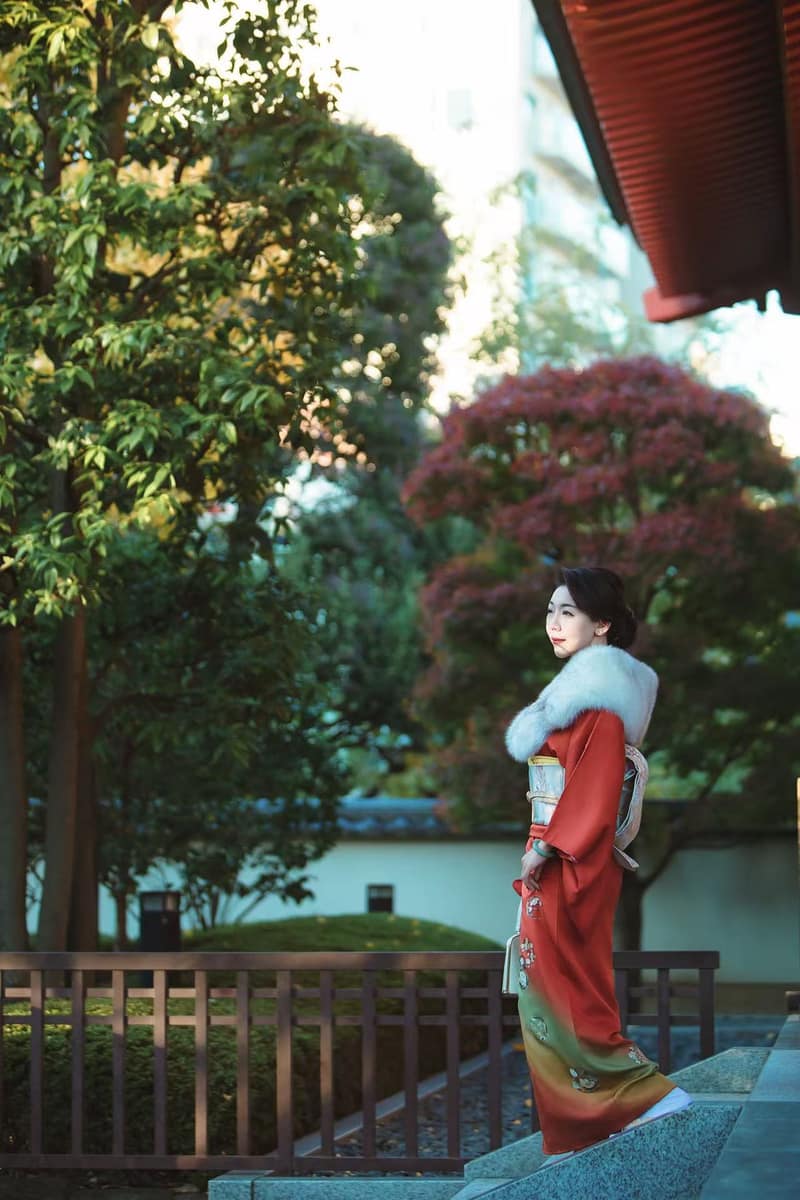
A kimono is worn with the back collar pulled slightly away from the neck, which leaves the nape visible. A round-neck top sits right in that opening and shows in every photo. Pick a deep V, or something close to a strappy cut.
For your legs, ankle-length tights or leggings are comfortable and stay completely hidden; only tabi socks and zori show below the hem, so colour and pattern do not matter. If you use stick-on heat pads, keep them away from where the obi wraps, or the heat has nowhere to go.
What works best in summer?
A camisole. Light kimono fabrics can let the colour underneath show through, so a pale shade is the safer choice.
A thin layer is also worth it for sweat. Asakusa has very little shade in summer and the obi traps warmth around your middle; one camisole keeps that away from the kimono itself.
What about a bra?
A kimono is cut to show a straight, even line. Anything that adds shape with underwire or padding works against that line. If you own a wireless bra, a sports bra, or a bra made for kimono, that is the one to bring.
If you do not have one, come as you are; towels are used during dressing to smooth the silhouette anyway.
What is better left at home?
High-necked tops, anything with thick seams across the shoulders or back, and large suitcases.
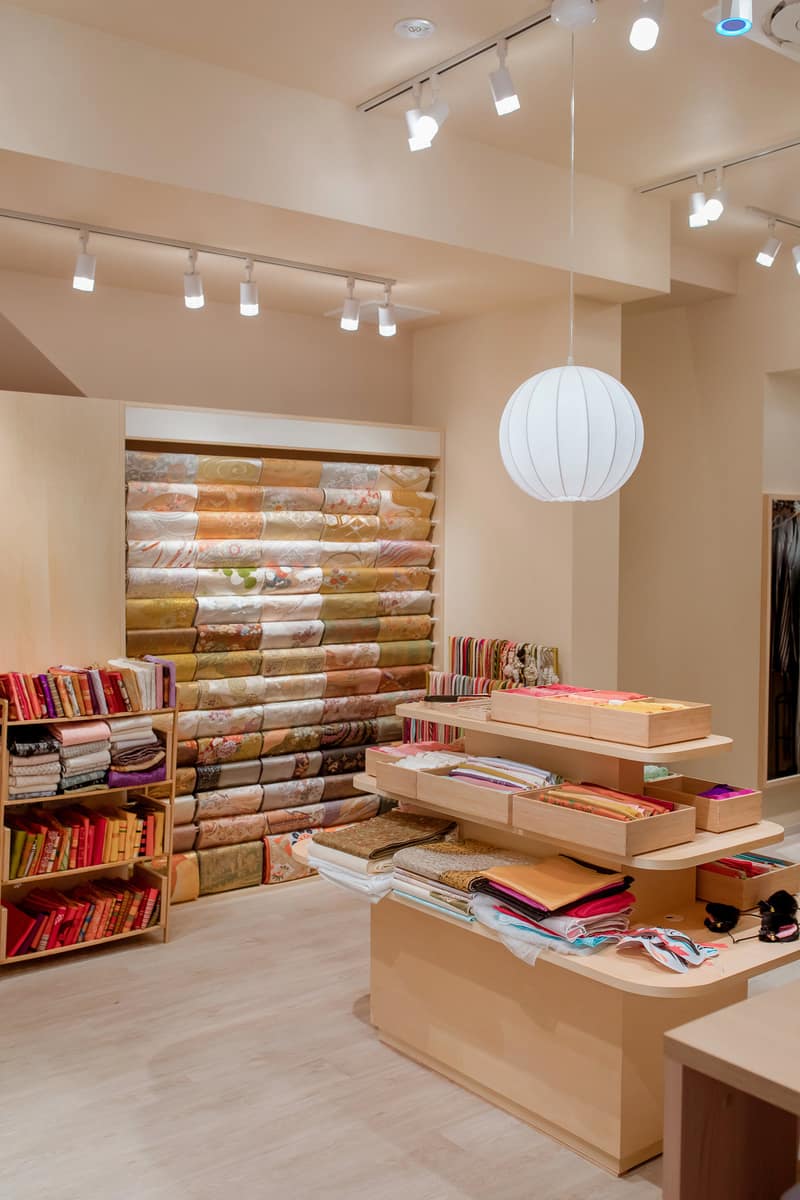
There is not enough room in store, so large suitcases cannot be kept for you. Leave one in a station coin locker, or use the ecbocloak app to find a nearby drop-off point, before you come in.
What happens to the clothes I change out of?
They are kept at the shop free of charge while you are out, so you are not carrying a bag of jeans around Nakamise. Valuables are the one exception: please keep those with you.
Be back by 17:00 on the day. In winter, bring something warm and open at the neck; in summer, something pale and thin.
Frequently asked questions
What should I wear under a kimono in winter?
A warm top with a wide, low neckline — Heattech and similar work well. A kimono is worn with the back collar pulled slightly away from the neck, so a round-neck top shows through that gap. Ankle-length tights or leggings keep your legs warm and stay hidden.
What should I wear under a kimono in summer?
A camisole. Light kimono fabrics can let the colour underneath show through, so a pale shade is the safer choice. One thin layer also absorbs sweat, which makes a big difference around the obi on a hot Asakusa afternoon.
Do I need to bring my own undergarments?
No. We provide the undergarment layer and wash it after every use, so the only thing you bring is the one layer that goes beneath it. The clothes you change out of are kept free of charge until you return by 17:00.
Stores
- Main Store (Shoken)
- Asakusa Sta. Exit A1: 2 min walkGoogle Maps
- Kaminarimon Store
- Asakusa Sta. Exit A4: 3 min walkGoogle Maps
- Opening hours
Related questions
Ready to book?
Once the layer underneath is sorted, the only thing left is picking a set. Komon is the easiest one to walk Asakusa in, from ¥6,000.
Komon Kimono Rental in Asakusa